
Traveling With Pets
The Private Jet Pet Documents Travelers Should Confirm Before Departure
By PJReviews.com · August 7, 2026
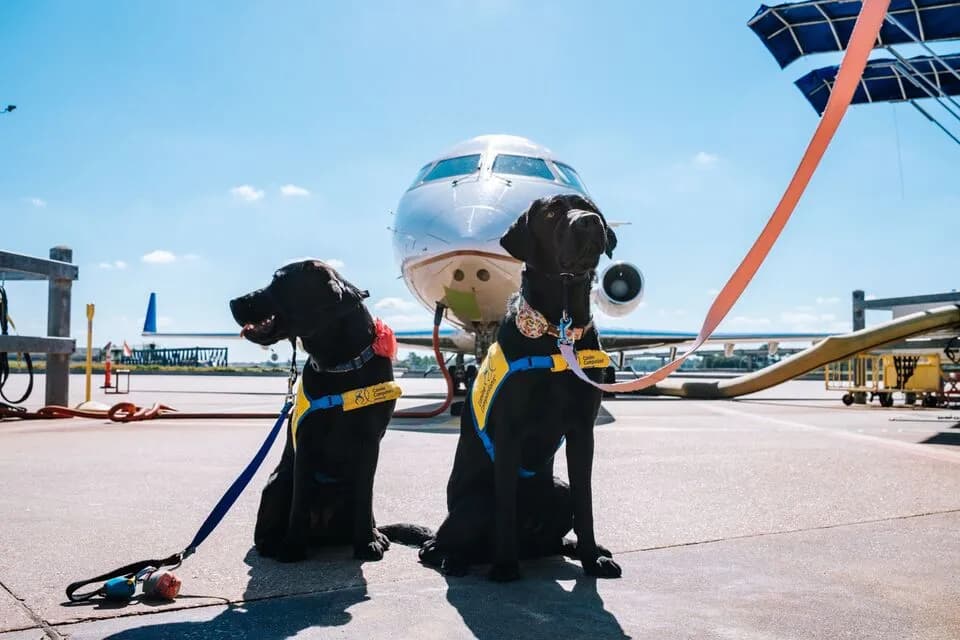
Private jet pet documents still depend on the route, destination authority, and aircraft operator. A private flight may reduce terminal handling, but it does not erase import rules, health requirements, or the need to confirm how the pet will travel. Early pet travel planning gives the veterinarian, operator, and ground team time to resolve conflicting requirements. The safest process starts with the destination rather than the aircraft.
Domestic trips usually involve a different document set from international journeys, and rules can change by species, origin, destination, and date. The operator also decides whether a pet may remain in the cabin, what carrier or restraint is acceptable, and whether a recent health certificate is required. The FAA notes that airlines set many of these pet policies and that an in-cabin carrier counts as carry-on baggage under applicable carry-on rules. A trip plan should therefore treat paperwork, cabin preparation, and arrival procedures as separate tasks.
- Route and destination rules
- Veterinary records and health certificate
- Operator pet policy
- Carrier or restraint measurements
- Arrival and ground-transfer plan
Documents Start With Destination Rules
International pet travel begins with the destination authority's requirements. The country or territory may require a health certificate, vaccination evidence, identification, testing, treatments, an import permit, a waiting period, or an approved entry point. Those requirements can apply even when the aircraft is privately operated and the pet stays with the passenger.
Domestic travel can also involve state or territory rules, particularly when a pet crosses a border with specific health or vaccination requirements. A veterinarian can review the pet's records against the route, but the travel party still needs the current destination instructions. A document that was accepted on a previous trip may not satisfy a later itinerary.
The timing matters because some certificates and treatments have narrow validity windows. A certificate issued too early can expire before arrival, while a required vaccination or test may need to occur before a waiting period begins. The practical record should identify the issuing veterinarian, the document date, the covered animal, the route, and the authority that must receive the paperwork.
The FAA pet guidance confirms that an operator may require a recently issued health certificate, while the destination authority may impose separate rules. That distinction keeps an aircraft operator's approval from being mistaken for an immigration or animal-import approval.
What Providers Need Before Confirming the Flight
A provider needs more than the pet's name and approximate weight. The planning team should know the species, breed, number of animals, age, health considerations that affect travel, carrier dimensions, and whether the animal is a trained service animal or a pet. The same details can affect the cabin plan, paperwork review, catering, vehicle, and airport handoff.
The aircraft operator may impose limits on the number of cabin pets, permitted animal types, carrier placement, or behavior. The FAA states that an operator can require a pet to remain in a carrier throughout the flight and can refuse an animal that is unsafe, disruptive, or has an odor. A private aircraft does not create a universal cabin policy.
A charter broker should be able to identify which party controls each approval. The broker may arrange the aircraft, while the operator confirms the cabin policy and the destination specialist confirms entry paperwork. Those roles should be written into the itinerary rather than left to assumptions.
- Who approves the pet for the aircraft?
- Who reviews destination documents?
- Who receives the final health certificate?
- Who coordinates the arrival airport and ground transfer?
Cabin Preparation And Carrier Fit
Carrier preparation is a physical fit problem, not a preference question. The FAA says an in-cabin carrier must fit beneath the seat when that rule applies, must not obstruct access to the main aisle, and must remain stowed during aircraft movement, takeoff, and landing. An operator can apply additional restrictions for the specific aircraft and cabin.
Carrier dimensions should be confirmed against the aircraft layout before departure. A bag that fits in a commercial cabin may not fit in the same position on a smaller aircraft, and a soft-sided carrier may behave differently from a rigid crate. The provider should confirm the permitted dimensions, the stowage location, and whether the pet may leave the carrier after the aircraft reaches cruise altitude.
The large dog travel question also affects the vehicle and the arrival plan. A larger animal may need a different restraint, more cabin floor space, or a crate that travels in a dedicated area. Those decisions should be made before the aircraft and vehicle are finalized.
Health And Comfort Decisions
A veterinarian should assess whether the animal's age, health, temperament, and previous travel history create a medical concern. Sedation decisions belong to the veterinarian, not to a flight coordinator. The travel plan should include the pet's normal feeding pattern, water access, medication instructions, and emergency contact details without changing a treatment plan without medical advice.
IATA's live-animal regulations emphasize species-specific handling, suitable containers, trained personnel, and attention to temperature, ventilation, hydration, and journey duration. Those principles apply to the preparation mindset even when a private operator uses its own cabin procedures rather than a cargo process.
Cabin temperature and noise can affect an animal differently from a home environment. Familiar bedding, a secure leash for controlled movement, and a spill-resistant water solution may help, but each item must be permitted by the operator and safe for the aircraft cabin. Food, medication, and cleanup supplies belong in the flight plan, not an afterthought at the airport.
The Departure-Day Checklist
Departure day should have one document packet and one contact chain. Original documents may be required by the destination, and digital copies may not substitute for them. The packet should travel with the responsible passenger unless the provider gives different instructions.
- Original health certificate if required
- Vaccination and identification records
- Import permit or approval if required
- Carrier, leash, and cleanup supplies
- Veterinarian and provider phone numbers
- Arrival contact and ground-transfer details
The operator should confirm the meeting point, pet check-in process, carrier inspection, and any security or customs steps before the vehicle leaves for the airport. The arrival team should know whether the pet will leave through an FBO, a customs facility, or another controlled area. A change in arrival airport can change the paperwork and the handoff.
Before booking, the travel party should ask whether the operator accepts the animal in the cabin, whether the carrier stays with the passenger, whether a health certificate is required, and whether the arrival airport has a pet-entry procedure. PJReviews.com helps travelers compare private jet providers, read provider reviews, and compare services before deciding whom to contact.
Questions About Pet Travel By Private Jet
Private flying changes the airport experience, not the need for a route-specific plan. The answers below help separate operator approval from veterinary and destination approval.
Does a private flight remove pet import requirements?
No. A destination authority can require the same type of animal-health documentation regardless of whether the aircraft is commercial or private. The operator can confirm aircraft acceptance, but a veterinarian or destination authority must confirm the documents and timing for the route.
Can a pet remain loose in a private jet cabin?
That depends on the operator and the aircraft. The FAA notes that an operator may require a pet to stay inside its carrier for the entire flight. Written confirmation should cover movement, restraint, carrier placement, and takeoff and landing procedures.
When should paperwork be reviewed?
It should be reviewed before the itinerary becomes difficult to change. Vaccinations, tests, treatments, endorsements, and certificate validity periods can create dependencies. The exact lead time depends on the destination and the pet, so a veterinarian and the relevant authority should confirm the schedule.
What should be confirmed in writing?
The written plan should identify the accepted pet type, carrier dimensions, cabin location, document owner, arrival procedure, and contact for a route change. It should also identify which details remain subject to airport, customs, veterinary, or operator approval.
A successful pet flight is built from several approvals that fit together: destination paperwork, veterinary clearance, operator acceptance, cabin preparation, and arrival handling. Private aviation can make those handoffs more direct, but only when each responsibility has an identified owner.
Travelers who keep the original documents accessible, confirm the carrier against the actual aircraft, and ask about arrival procedures before departure remove many avoidable surprises. The remaining details should be reconfirmed with the provider and the relevant authority whenever the route, date, aircraft, or destination changes.
- private aviation
- pet travel
- pet documents
- private jet pets
- travel planning