
Private Travel Tips
How to Fly With Sports Equipment on a Private Jet
By PJReviews.com · August 8, 2026
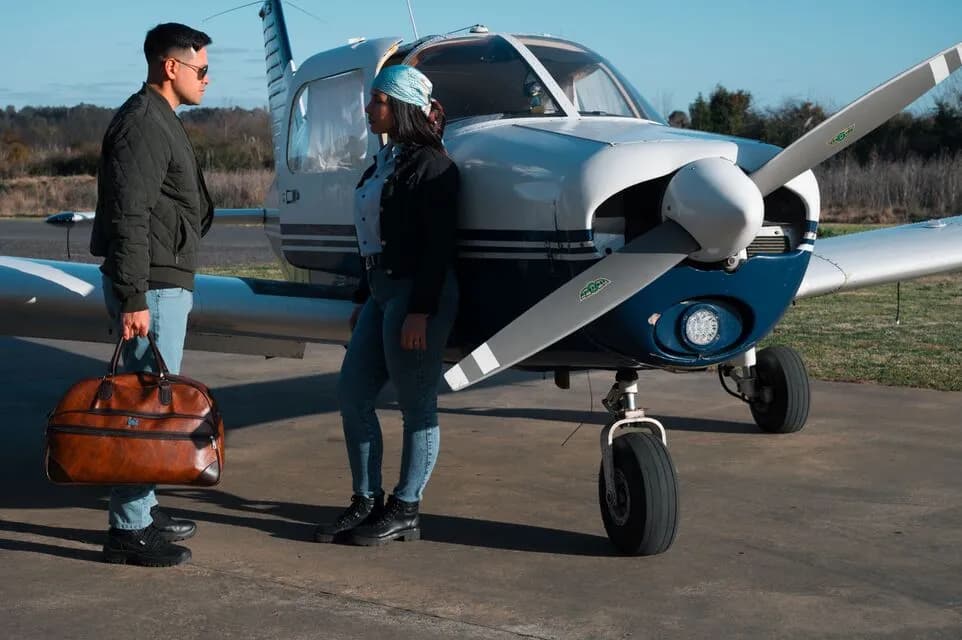
Sports equipment can travel on a private jet, but acceptance depends on the assigned aircraft, cargo-door dimensions, baggage compartment, passenger load, and operator approval. Golf clubs, skis, bicycles, surfboards, paddleboards, fishing gear, and climbing equipment do not fit every aircraft or every hold. The right question is not whether private aviation has a generous baggage policy. It is whether the specific aircraft can safely carry the specific equipment on the specific route.
Planning should begin when the flight is quoted, not at the private terminal. A traveler should provide the equipment list, packed dimensions, weight, case type, and destination before the aircraft is finalized. The operator can then match the mission to a usable hold, confirm the cargo door, and identify any restrictions. Commercial-airline rules may help with security screening, but they do not replace the private operator's approval.
- Equipment: The exact item and number of pieces
- Packed size: Length, width, height, and total weight
- Case: Soft bag, hard case, box, or protective sleeve
- Aircraft: Hold volume, door size, and access limits
- Operator: Written acceptance and handling instructions
- Route: Airports, transfers, and destination restrictions
Aircraft Size Sets the First Limit
Aircraft category is the first filter because luggage capacity varies widely across private jets. A light jet may carry ordinary bags while leaving little room for a bicycle or hard golf case. A larger aircraft may offer a deeper hold or better access, but the passenger count, fuel load, and route can still change the available space.
XO's private-flight baggage guidance gives published examples across cabin categories. Its article describes light-jet capacity in cubic feet, larger storage on some midsize and large-cabin aircraft, and the ability of certain aircraft to accommodate skis or golf clubs. Those figures are examples from a broker's fleet guidance, not a universal specification for every aircraft with the same category label.
The aircraft size needs to be evaluated with the equipment in its travel case. A long, narrow item can fit inside a hold by volume but fail at the door. A rigid case can also consume more usable space than the item alone.
Aircraft substitution creates another risk. A replacement jet may carry the passengers but have a smaller hold, a different door shape, or restricted access during flight. The booking file should state whether equivalent equipment capacity is required if the original aircraft changes.
Golf Clubs, Skis, and Bikes Need Exact Measurements
Golf clubs, skis, snowboards, and bicycles are easier to approve when their packed measurements are known. Providers need the case length and width, the number of cases, the total weight, and any detachable parts. A list such as "two golf bags" leaves open the questions that determine whether the equipment can pass through the door.
Golf clubs usually travel in a golf travel case, while skis and snowboards may need separate bags for boards, poles, boots, and clothing. Bicycles can require partial disassembly and a rigid bike case. The case should be measured after packing because wheels, handles, padding, and protective frames add to the exterior dimensions.
TSA's sporting equipment guidance is useful for U.S. airport security questions and distinguishes carry-on from checked-bag treatment in its searchable list. TSA also states that the final decision rests with the screening officer. That guidance does not decide whether a private operator can load the item into a particular aircraft.
- Golf travel case: Measure the complete packed bag
- Ski bag: Include skis, poles, and padding
- Snowboard case: Confirm board and boot-bag arrangement
- Bicycle case: Confirm disassembly and case construction
- Surfboard bag: Record board length and case thickness
- Fishing case: Separate rods, reels, tackle, and batteries
Surfboards and Bulky Gear Change the Conversation
Surfboards, paddleboards, wakeboards, climbing gear, and fishing equipment can require more planning than standard sports bags. Long boards depend on cargo-door height and hold geometry, while rigid cases can be difficult to turn inside a narrow compartment. Equipment with sharp edges, compressed gas, fuel, batteries, or tools may also require a separate safety review.
LunaJets identifies golf clubs, bikes, skis, surfboards, paddleboards, fishing equipment, climbing gear, and other specialist items as equipment its sports-charter clients may need to move. The provider also identifies luggage capacity, passenger size, cabin configuration, and aircraft model as planning factors. Those statements describe a charter broker's service and do not guarantee acceptance on an individual flight.
A sports traveler should ask whether equipment stays with the aircraft, travels in a separate vehicle, or requires a cargo arrangement. The answer affects transfer timing and the risk of arriving without the gear. Local ground transportation may also need a vehicle with enough length or interior height for the cases.
The existing ski-trip planning article is a relevant reference when winter equipment is part of a larger resort itinerary. A ski flight still needs its own equipment measurements because the aircraft and route determine acceptance.
Operator Approval Is Different From Security Screening
Security screening and operator acceptance answer different questions. A security authority decides whether an item can pass through a checkpoint or be carried under its rules. The operator decides whether the item can be loaded, secured, and transported safely on the assigned aircraft under the aircraft's operating limitations.
XO states that private-flight luggage capacity varies by aircraft and mission and that the operator retains discretion over specific baggage. That distinction matters when an aircraft is sourced from a third-party carrier. A booking broker may coordinate the request, but the operating carrier and assigned aircraft control the final loading decision.
The request should include photographs when an item has an unusual shape, a custom case, or a fragile structure. The operator may need to verify the door opening, hold configuration, tie-down method, and whether passengers can access the equipment in flight. A verbal approval from a general sales representative should be followed by a written confirmation.
Any equipment that contains fuel, a battery, pressurized gas, sharp tools, firearms, or chemicals deserves a separate question. The answer may depend on the item, the country, the aircraft, and the operator's procedures. A traveler should not assume that an item accepted on a commercial airline is accepted on a private charter.
Build the Equipment Plan Before Booking
A short equipment brief gives the provider enough information to select the aircraft and identify problems early. It also gives the traveler a record to compare against a later aircraft substitution or itinerary change.
- List every piece of sports equipment.
- Measure each item inside its travel case.
- Record the packed weight and number of cases.
- Send photographs of unusual or rigid cases.
- Identify batteries, fuel, gas, tools, or sharp components.
- Ask for the assigned aircraft and cargo-door dimensions.
- Request written operator approval before payment.
- Confirm whether a substitute aircraft must carry the same gear.
- Plan ground vehicles for the equipment at both airports.
- Reconfirm the equipment list before departure.
Dates can also affect equipment planning. A tournament, ski week, surf trip, or fishing charter may create a narrow arrival window. The provider should confirm the airport's handling hours, transfer arrangements, and any local restrictions before the flight is finalized.
Equipment value deserves attention as well. High-value bikes, clubs, boards, or cameras should have a documented condition record before loading. The traveler should ask about handling responsibility, storage location, insurance, and what happens if the equipment is damaged or cannot be accepted.
The private jet luggage checklist can help organize ordinary bags around the specialist equipment. The sports cases still need their own written approval because a normal luggage allowance does not confirm that a long, rigid, or unusually shaped item fits.
Questions Sports Travelers Ask
The same questions appear across golf, ski, cycling, surfing, and fishing trips. The answers change with the aircraft and operator, so the useful goal is a written, route-specific response rather than a general promise.
Can golf clubs travel in the cabin?
Golf clubs are normally planned as baggage rather than cabin items, but the aircraft and operator determine how they are loaded and secured. The club bag should be measured inside its travel case. The provider should confirm the hold, door, case requirement, and whether the equipment remains accessible during the flight.
Can a private jet carry a bicycle?
A bicycle may travel when its packed case fits the aircraft's cargo door and hold. Partial disassembly, a protective case, and advance approval may be required. The traveler should send the case measurements and ask whether the assigned aircraft or a possible substitute can accept the case without forcing another aircraft choice.
Are sports-equipment fees the same as airline baggage fees?
Private charter pricing does not follow one universal sports-equipment fee schedule. The cost may be included, may require a larger aircraft, or may involve separate handling or ground-transport charges. Commercial-airline fee tables should not be used to estimate a private flight. The quote should identify equipment-related charges in writing.
What happens if the aircraft changes after approval?
The operator should recheck the equipment against the replacement aircraft before departure. A substitute may have less hold capacity, a smaller cargo door, or different loading restrictions. The booking terms should explain whether the traveler can accept a different aircraft, receive an alternative, or change the itinerary if the gear no longer fits.
Sports equipment is a flight-planning issue, not an afterthought added at the terminal. A successful arrangement matches the packed equipment to the aircraft, documents operator approval, and connects airport handling with the ground plan. The same process protects a set of golf clubs, a bicycle, a surfboard, or a case of specialized gear.
Private jet travelers and team organizers can compare provider experience, aircraft options, and relevant services before a sports trip is booked. PJReviews.com helps them discover verified private jet providers, read provider reviews, and make an informed decision without assuming that equipment acceptance, availability, safety, prices, or service quality are guaranteed.
Private jet travelers can use PJReviews.com to discover verified providers, read provider reviews, compare relevant services, and make an informed decision about the operator and aircraft for the trip.
- sports equipment
- private jet luggage
- golf clubs
- ski equipment
- private aviation