
Luxury Escapes
Planning a Private Jet Ski Trip Around Airport Rules and Transfers
By PJReviews.com · August 7, 2026
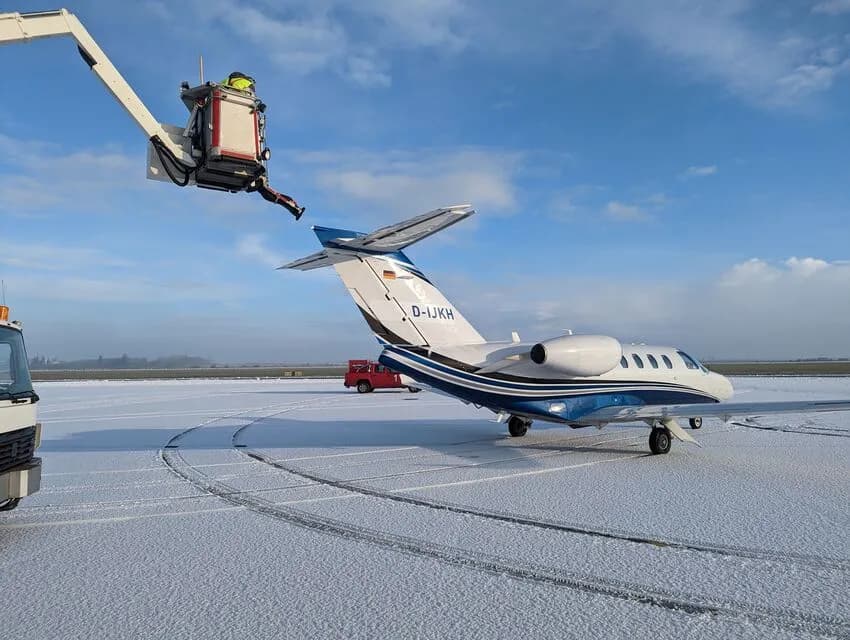
Planning a private jet ski trip requires more than choosing the resort closest to a map pin. The airport must accept the aircraft, the operating schedule must fit local restrictions, and the ground transfer must remain workable when snow, traffic, or peak-season demand changes the plan. Luxury escapes also depend on booking the airport, handling, transfer, and resort arrangements as one itinerary. The most reliable plan starts with airport rules and ends with the door-to-resort journey.
Mountain airports can have curfews, aircraft performance limits, prior-permission requirements, de-icing procedures, and seasonal capacity constraints. A private aircraft can reduce terminal time, but it cannot bypass those operating rules. The airport selected for the flight may also be different from the resort's nearest commercial gateway because of runway, weather, or aircraft limitations.
- Resort and preferred arrival airport
- Aircraft category and operating limits
- Winter weather and de-icing plan
- Airport hours and curfew
- Ground or helicopter transfer plan
- Backup airport and delay procedure
Choose the Airport Before the Transfer
The airport choice controls the rest of the ski itinerary. Aspen/Pitkin County Airport, for example, publishes specific winter procedures, hours, aircraft limits, and de-icing information. Geneva Airport publishes a different set of prior-permission and handling procedures for business and general aviation. A resort itinerary needs the airport's rules before the transfer is priced or scheduled.
A nearby airport can shorten the ground journey while imposing stricter aircraft or operating conditions. A larger gateway can offer more capacity but add road time, handling complexity, or border considerations. The flight department or charter provider should confirm the actual airport, not use a resort name as a substitute for an airport approval.
Private aviation makes smaller airports possible in some regions, but access is aircraft-specific. Runway length, terrain, elevation, surface condition, wingspan, landing weight, noise classification, and available handling all matter. A flight that works for one aircraft can fail for another even when both are marketed under the same broad category.
Winter Weather Changes the Flight Plan
Snow and cold affect the aircraft on the ground as well as the route in the air. Aspen's official winter-safety guidance calls for current field conditions, weather, pilot reports, and freezing-level information before departure. It also warns that mud and slush can affect wheel wells and retractable landing gear, while frozen brakes can lock wheels.
The Aspen winter-safety guidance also states that de-icing does not guarantee an aircraft remains ice-free. New precipitation can allow controls to freeze during taxi or while an aircraft waits for release, which makes a control check before takeoff part of the operating decision.
Travelers do not need to make the technical de-icing decision, but they do need to understand its effect on timing. A departure may move because the aircraft needs treatment, a runway needs attention, or a new weather observation changes the release. The transfer company and resort should receive the updated arrival plan rather than relying on the original estimate.
Curfews Can Set the Departure Time
Airport hours can be more restrictive than a traveler's preferred schedule. Aspen/Pitkin County Airport lists attended hours from 0700 to 2300 Mountain Standard Time, with the airport closed from 2300 to 0700. The airport also lists a 2230 departure limitation and separate noise and nighttime operating rules.
The Aspen curfew rules distinguish between aircraft noise stages and flight conditions. Stage III arrivals are restricted after 2300, Stage III departures are restricted after 2230, and nighttime operations have additional pilot and equipment requirements. The crew and airport authority must confirm the current rule for the assigned aircraft and date.
Curfews change more than the flight time. A late resort departure may require an earlier airport movement, an overnight stay near the airport, or a different gateway. A morning arrival may be limited by weather, traffic, or aircraft release timing. The itinerary should contain a decision point for a delay instead of promising a fixed transfer connection that the flight cannot guarantee.
Aircraft Limits Matter at Mountain Airports
Mountain airports publish limitations that can remove an aircraft from consideration. Aspen lists a maximum wingspan of 95 feet tip to tip, maximum gross landing weights that vary by wheel arrangement, and equipment requirements for brakes or other positive ground control and two-way radio communication. Noise-stage rules also affect permitted arrival and departure periods.
The airport aircraft limitations are not a general aircraft-selection chart. They are airport requirements that must be matched with the aircraft, operating conditions, and crew plan. A provider should confirm whether the assigned aircraft meets the current limitations and whether payload or fuel changes affect the operation.
Aircraft performance can also change with temperature, runway condition, elevation, wind, and required fuel. The same aircraft may carry a different payload on different days. Ski bags and heavy winter luggage belong in the planning conversation because payload decisions can affect fuel, nonstop routing, and the number of passengers accepted.
Geneva Requires Advance Coordination
Geneva Airport uses prior permission and capacity coordination for scheduled, charter, business, and general-aviation operations that are not regulated by Slot Coordination Switzerland. Its official procedure states that aircraft with a handling agent must use that agent for booking, and ground handling is mandatory for most operations.
The Geneva PPR procedure describes forecast-capacity systems, PPR booking, mandatory helicopter parking reservations, flight-plan reporting, and prompt notice of schedule changes or cancellations. The published booking windows vary by flight type and visual or instrument rules, so a provider should confirm the correct process for the actual movement.
Geneva's passenger FAQ lists public transport, trains, buses, coaches, shuttles, taxis, ride-hailing services, rental cars, and private vehicles among the available ground options. It also states that Terminal 2 operates during winter and charter periods and does not operate flights outside those periods. The airport does not publish a universal ski-resort transfer time on that page, so resort-specific timing belongs in a separate confirmed transfer plan.
Build the Door-to-Slope Connection
A flight plan ends at the airport, but a ski trip succeeds at the accommodation or lift base. The ground leg needs a vehicle with enough luggage volume, a driver who can manage winter roads, and a departure buffer for weather and road conditions. Ski bags, boots, helmets, child equipment, and clothing can require more vehicle capacity than the passenger count suggests.
Helicopter transfers can shorten some mountain journeys, but they require a suitable landing location, aircraft availability, weather approval, baggage limits, and separate coordination. A road transfer may be more predictable for one resort and less predictable for another. The provider should identify which operator controls each leg and which conditions can cancel or delay it.
- Confirm the airport and terminal.
- Reserve handling and any PPR requirement.
- Match the vehicle to ski equipment.
- Confirm road and weather cancellation terms.
- Ask about helicopter baggage and landing limits.
- Set a backup airport or overnight plan.
During peak ski weeks, transfer demand can rise alongside aircraft and airport demand. Christmas, New Year, school holidays, and major resort events can affect vehicle supply and road time, but exact capacity changes by destination and year. Providers should confirm live availability rather than rely on a general seasonal assumption.
Private Ski Trip Booking Checklist
The booking request should contain more than a resort name and passenger count. It should specify the airport preference, aircraft mission, equipment, transfer type, and flexibility. Those details give the flight department and ground operator a common plan.
- Resort, lodging, and preferred arrival window
- Departure airport and backup airport
- Passenger count, ski bags, and bulky equipment
- Aircraft category and payload assumptions
- PPR, slot, handling, and parking requirements
- Curfew, de-icing, weather, and delay procedures
- Road transfer vehicle and luggage capacity
- Helicopter landing, weather, and baggage rules
- Cancellation, rebooking, and overnight terms
- Names of the parties responsible for each leg
The written itinerary should separate confirmed facts from estimates. Airport approval, aircraft assignment, weather, transfer availability, and resort access can change. A clear change process lets the family decide whether to wait, reroute, use the backup airport, or move the ground connection.
Private Ski Travel FAQs
Airport and transfer questions are part of the flight decision, not separate concierge details. The answers depend on the destination, aircraft, season, and current operating information.
Can a private jet land at the airport closest to a ski resort?
Sometimes, but proximity alone does not establish access. The airport must accept the aircraft under its runway, weight, wingspan, noise, operating-hour, weather, and handling rules. The crew or operator should confirm the airport for the assigned aircraft and date.
How early should a private ski flight be planned?
The required lead time depends on the airport and flight type. Geneva publishes prior-permission and capacity procedures, while other mountain airports may apply different rules. Peak-season demand can affect aircraft, handling, parking, vehicles, and helicopter availability, so live confirmation is more useful than a fixed universal deadline.
Does de-icing guarantee an on-time departure?
No. De-icing removes contamination under the applicable procedure, but weather can continue during taxi or while the aircraft waits. Field conditions, freezing levels, pilot reports, aircraft controls, airport traffic, and release timing can still change the departure plan.
Is a helicopter transfer always faster?
No. A helicopter transfer depends on weather, landing permission, aircraft and crew availability, baggage limits, and the destination landing site. A road transfer may be the workable option when mountain weather or baggage requirements limit the helicopter plan.
A well-planned ski flight treats the airport as an operating environment, not a pin on a resort map. The flight, handling, winter restrictions, and final transfer need one coordinated set of assumptions.
PJReviews.com helps private flyers compare provider reviews and explore private jet providers before arranging a seasonal trip. Current airport rules, aircraft assignment, prices, transfer availability, and weather remain matters for direct confirmation.
- private jet
- ski travel
- luxury escapes
- mountain airport
- winter flight
- airport transfers