
Traveling With Pets
How to Fly With a Cat on a Private Jet Without the Stress
By PJReviews.com · September 8, 2026
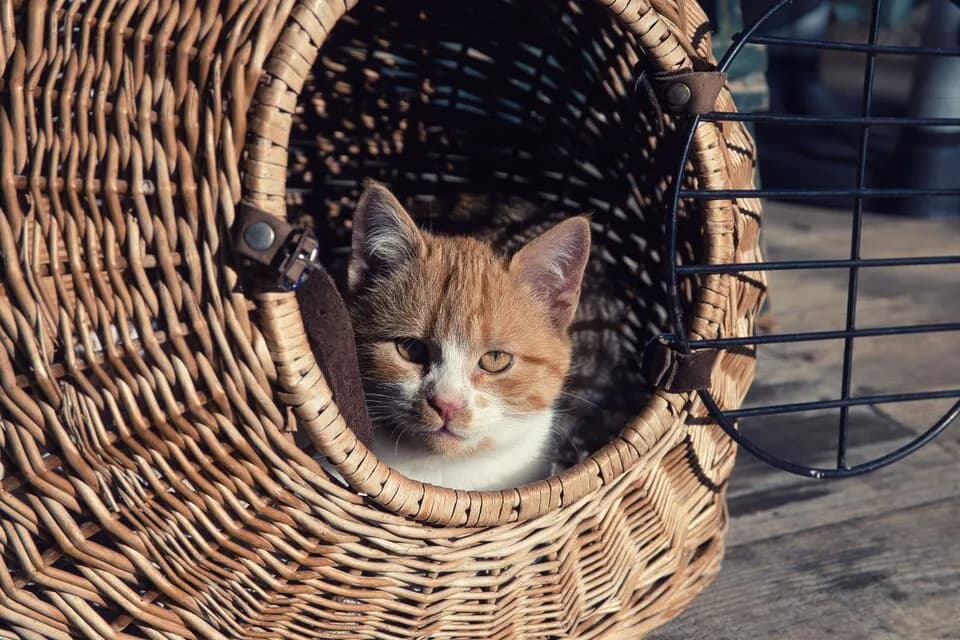
Cats are frequently left out of pet-travel advice built around dogs, but a private jet cabin actually suits many cats better than commercial air travel — quieter engines, no cargo hold, and a shorter, more controlled boarding process. The details that matter are different from a dog's, though, starting with how a cat experiences an unfamiliar enclosed space.
- Why cabin travel usually suits cats better than commercial flying
- Carrier choice and cabin acclimation before departure
- Litter, feeding, and in-flight comfort planning
- Documentation questions specific to feline travelers
Why the Cabin Environment Matters More for Cats
Cats generally respond to travel stress by hiding and staying still rather than showing the more visible anxiety signals dogs display, which can make a stressed cat harder to notice mid-flight. A private cabin removes several major stressors at once: no cargo-hold temperature swings, no unfamiliar handlers moving the carrier, and a much shorter overall door-to-door travel time than a connecting commercial itinerary.
That said, the cabin is still a new environment with unfamiliar engine sound and cabin pressure changes. The goal isn't a stress-free trip—it's a trip where predictable stressors are minimized and the cat has a stable, enclosed space it already recognizes.
Carrier Choice and Acclimation
A hard-sided or structured soft carrier that the cat has used at home for at least a few weeks before travel reduces the shock of encountering it only on departure day. Ask the provider about carrier size limits and whether the carrier can remain secured at the traveler's seat rather than stowed separately, since proximity to a familiar person can measurably reduce a cat's stress response.
A carrier that's been left open and accessible at home, with treats or a favorite blanket inside, tends to work better than one introduced for the first time at the airport. This is a small step, but it's the single most controllable variable in a cat's travel experience.
Litter, Feeding, and In-Flight Comfort
Withholding food for a short period before departure can reduce motion-related stomach upset, but water access should generally continue up to boarding unless a veterinarian advises otherwise for the specific trip length. For longer flights, discuss a portable, spill-resistant litter option with your provider, along with where a brief mid-flight litter break could safely happen in the cabin.
Pheromone sprays or calming aids used at home in the days before travel can help, but review any calming product with a veterinarian first rather than trying it for the first time on travel day. The documentation and planning steps in PJReviews.com's guide to private jet pet documents apply to cats just as much as dogs, and should be confirmed before the trip is booked.
Documentation Questions Specific to Cats
- Does the destination require a specific health certificate window for cats, distinct from dog requirements?
- Are there breed-neutral but species-specific import rules at the arrival country or state?
- Does the provider have a policy on emotional-support or companion cats versus standard pet travel?
- Does the cat need to meet a minimum age or vaccination timeline before the flight?
A calm cat and a calm cabin experience come down to preparation more than luck — a familiar carrier, a confirmed feeding and litter plan, and documentation checked well ahead of departure. Explore private jet providers on PJReviews.com, compare provider reviews and see how booking works, and book directly with a provider. For a permanent reference on planning private aviation trips, see The Ultimate Private Jet Guide.
- flying with a cat on a private jet
- cat private jet travel
- private jet pet travel cats