
Private Travel Tips
Private Jet Catering Ideas for an Unforgettable Flight
By CERTIFIED JETS · August 2, 2026
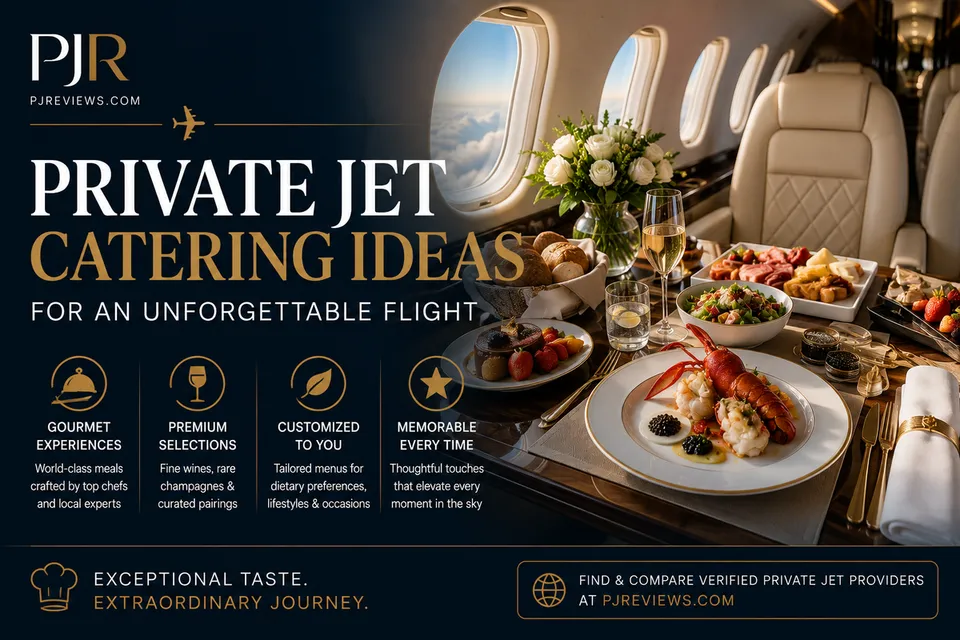
Private jet catering can turn a flight into a restaurant-style dining service, a family celebration, or a quiet wellness routine at 40,000 feet. The menu may be a chilled sushi spread on a light jet, a hot multi-course dinner on a long-range aircraft, or a familiar favorite collected from a restaurant near the departure airport. Catering is arranged around the aircraft, the flight time, the passenger list, the departure location, and the details that make the meal personal.
Private flyers can request far more than a standard sandwich and fruit plate. Michelin-style dishes, caviar service, seafood towers, A5 Wagyu, truffle preparations, destination-inspired menus, children's snack boxes, gourmet pet meals, and celebration cakes can all enter the conversation when sourcing and aircraft limits allow. The most reliable planning starts before the itinerary is finalized, because galley equipment, delivery timing, food temperature, beverages, allergies, and local availability all shape what reaches the cabin.
- Light jets: chilled meals, platters, sushi, salads, and snacks
- Larger jets: reheated meals and multi-course service
- Ordering inputs: route, aircraft, timing, passengers, and preferences
- Premium possibilities: caviar, sushi, seafood, wagyu, truffles, and desserts
- Personal touches: themed menus, celebrations, wellness meals, children, and pets
Verified private jet providers can coordinate the caterer, FBO, crew, and passenger preferences before departure. A flight plan, passenger count, dietary notes, preferred service time, and beverage choices give the trip team the information needed to arrange the right meal.
Commercial Airline Food And Private Jet Catering
Commercial airline food is produced for a fixed service model, a large passenger population, and a standardized aircraft workflow. Menus are planned far in advance, portions are uniform, and the same tray must work for many travelers on one route. Private jet catering starts with a specific passenger group and a specific aircraft, so the meal can reflect individual tastes, cultural preferences, health needs, and the reason for the trip.
The aircraft itself creates a major difference. Very light and light jets often have limited galley space and no equipment for reheating food. Cold dishes such as sushi, sandwiches, cheese, fruit, salads, pastries, and composed platters travel well in that setting. Mid-size, super-midsize, and heavy jets may have microwaves or service galleys, while executive airliners can have much larger kitchens and dining areas. The relationship between aircraft category and meal preparation is set out in Air Charter Service's aircraft guide.
Private aviation also changes the service rhythm. A flight attendant may set a table after takeoff, hold a course until passengers finish a meeting, prepare a late meal after a nap, or keep a celebration dessert chilled until the right moment. A short charter can use a single elegant spread, while a long-range flight can divide breakfast, a light mid-flight course, and dinner around sleep and arrival plans.
Food must also be selected with altitude in mind. Cabin pressure, dry air, transport, and reheating can affect texture, aroma, and perceived flavor, so a dish that is excellent in a restaurant may need a different sauce, garnish, portion, or service temperature in the air.
How Private Jet Menus Are Ordered And Customized
Private jet catering usually begins with the flight details rather than a generic menu. The broker, operator, flight department, or concierge records the departure airport, estimated departure time, aircraft type, passenger count, route, crew requirements, and desired service. A caterer or account manager then matches those details with available kitchens, restaurants, FBO procedures, and delivery windows.
The menu conversation can be as simple as "breakfast for six with coffee and fresh fruit" or as precise as a multi-course dinner with a particular vintage, ingredient, plating style, and service time. Travelers can identify favorite restaurants, disliked ingredients, allergies, religious requirements, wellness goals, and the balance between indulgence and convenience. Catering arrangements described by PrivateFly, which is now FXAIR, account for flight length, time of day, aircraft capability, fresh delivery, special requests, and additional sourcing costs.
- Share passenger names or seat assignments when service order matters.
- State allergies separately from preferences and identify the severity of each allergy.
- Choose the desired service time, such as after climb, before landing, or between meetings.
- Confirm whether the aircraft can warm food and whether a flight attendant will serve it.
- Approve the menu, beverages, portions, packaging, and any special presentation.
- Reconfirm the final order after aircraft, airport, or departure-time changes.
Delivery is coordinated with the fixed-base operator rather than handed directly to passengers at an airport terminal. The caterer may collect a meal from a restaurant, cold-pack it, label it, and place it with the FBO for loading. Security procedures, ramp access, traffic, and the aircraft's actual departure time all matter. A request that works in Manhattan may need a different solution at a remote executive airport.
Experienced private aviation guidance also recognizes that a menu must be operational, not merely attractive on paper. A layered dessert can collapse in transit, a delicate garnish can wilt, and a hot entree can lose its texture if it sits too long before service. The right substitute preserves the dining idea without creating a cabin problem.
10 Extraordinary Private Jet Catering Ideas
Extraordinary catering is not limited to expensive ingredients. The strongest ideas connect the meal with the passengers, the destination, the aircraft, or the occasion. Each concept below can be scaled from a refined snack service to a full dining program, depending on flight time and galley capability.
1. A Michelin-Inspired Tasting Menu
A flight can begin with a sequence of small courses inspired by a respected restaurant near departure or arrival. A chef or caterer may adapt the restaurant's signature flavors into aviation-ready portions, with sauces separated and garnishes added shortly before service. The menu can move from an amuse-bouche to seafood, vegetables, a composed main course, and a small dessert without requiring a full restaurant kitchen onboard.
2. A Sushi And Sashimi Service
Sushi is a natural choice for aircraft with limited reheating equipment because it is served chilled and can be arranged as a carefully portioned spread. Travelers can request nigiri, sashimi, hand rolls, vegetarian maki, pickled vegetables, tamagoyaki, and a nonalcoholic tea pairing. Temperature control, freshness, soy-sauce packaging, and the time between preparation and takeoff deserve close attention.
3. A Caviar And Champagne Ritual
Caviar service can become a complete onboard ritual rather than a garnish on a canape. A small presentation may include chilled caviar, blinis, creme fraiche, chopped egg, chives, mother-of-pearl spoons, and Champagne or a carefully selected alternative. A flight attendant can keep the service quiet and unhurried, which suits a late departure, a proposal, or the first toast of a celebration.
4. A Seafood Tower At Altitude
A seafood tower can bring the visual appeal of a coastal restaurant into the cabin through individual tiers or a shared presentation built for the aircraft table. Shrimp, lobster, crab, oysters, smoked fish, citrus, sauces, and small salads can be portioned to avoid spills and excessive shell waste. The caterer should confirm cold-chain timing, shellfish allergies, and whether passengers want the tower before or after a warm course.
5. A Wagyu Dinner With Truffle Accents
Wagyu can anchor an elegant dinner when the aircraft has the equipment and service support for a warm entree. A small portion of beef can be paired with a potato preparation, seasonal vegetables, a restrained jus, and shaved truffle or truffle butter. Travelers who prefer a lighter meal can request the same flavor profile in a tasting portion, while the crew receives a simpler version that remains practical during service.
6. A Destination-Inspired Menu
The menu can begin before the aircraft reaches its destination. A flight to Japan may feature delicate rice dishes, grilled fish, seasonal pickles, and matcha sweets. A Mediterranean itinerary may include mezze, grilled seafood, olive oil, and citrus desserts. A flight to the Caribbean may use tropical fruit, jerk-seasoned proteins, and local-style pastries. Destination themes work best when they reflect real regional cooking rather than decorative labels.
7. A Wellness-Focused Flight Menu
Wellness catering can support an early meeting, a red-eye arrival, or a passenger who wants energy without a heavy meal. Options may include mineral-rich soups, lean proteins, whole grains, fresh fruit, high-protein snacks, low-sugar desserts, caffeine timed to arrival, and still water with citrus or herbs. A medically directed diet requires professional guidance, but a broker can help communicate ordinary preferences such as low sodium, dairy-free, plant-based, or lower-carbohydrate meals.
8. A Children's Luxury Snack Box
Children's catering can be thoughtful without becoming childish. A box might contain fruit arranged in familiar shapes, small sandwiches, warm pastries when possible, premium chocolate, yogurt, vegetable crisps, a handwritten note, and one surprise treat. Separate portions reduce mess and make it easier for a child to eat during turbulence or while moving between activities. Parents can specify allergies, favorite foods, choking concerns, and the preferred moment for the box to appear.
9. A Gourmet Pet Meal
Pets can receive a simple meal that matches their diet, travel routine, and veterinarian's guidance. Examples include plain cooked protein, rice, vegetables approved for the animal, hydration-friendly treats, or a familiar food served in a clean travel container. The flight team should know whether the pet eats before boarding, during cruise, or after landing. Rich ingredients and unfamiliar foods can cause problems, so pet catering should favor safe familiarity over human-style presentation.
10. A Celebration With A Hidden Dessert
A birthday, anniversary, engagement, graduation, or holiday flight can use timing as part of the experience. The crew can hold a cake, petit fours, a personalized dessert, flowers, or a small gift until the aircraft reaches cruise altitude. A hidden dessert works on both a private family trip and an executive flight, provided the loading team knows which items must remain chilled and which decorations can travel safely.
The Most Surprising Catering Requests In Private Aviation
Private aviation gives travelers access to requests that would be difficult to manage in a standard airline catering system. Some are extravagant, while others are emotionally specific. A favorite fast-food order, a regional dish from childhood, a restaurant meal recreated for a flight, or a particular holiday menu can matter more to a passenger than a costly ingredient.
Publicly documented industry examples include Michelin-starred restaurant dishes, takeaway meals from familiar chains, regional Asian specialties, children's entertainers, flowers, birthday cakes, and a request for Beluga caviar with dedicated serving bowls and spoons. The point is not the price of the item. The point is that a broker or operator can search for a workable solution instead of limiting the traveler to the default cabin menu.
Fine-dining methods, crew culinary training, and Halal-certified private-jet catering kitchens have all been developed for business aviation service, as documented in Aviation Week's catering report. VVIP requests may also involve confidential menus, discreet packaging, protected delivery procedures, floral cabin details, or a chef who prepares food for the group on the ground before departure.
- A childhood holiday meal recreated for a special flight
- A favorite restaurant dish collected near the departure airport
- A caviar presentation with dedicated service pieces
- A regional menu built around the destination
- A confidential menu prepared for a high-profile passenger
- A gourmet meal for a pet with strict dietary limits
Unusual requests become easier when the brief separates the emotional goal from the ingredient list. "A surprise anniversary dinner" gives the team a service objective. "The same lemon tart served at a particular restaurant" gives the team a sourcing objective. Both can be pursued without naming a celebrity or exposing a client's private travel details.
Regional Specialties Worth Ordering Before Departure
Departure airports can provide access to ingredients and restaurants that are difficult to source elsewhere. A regional menu is strongest when it respects the local dish and the realities of aircraft service. Some foods travel as composed platters, while others need to be served promptly or adapted for temperature control.
New England departures can inspire Maine lobster, oysters, scallops, lobster rolls, clam chowder in small cups, or blueberry desserts. Paris and the French Riviera can support pastries, cheeses, seafood, Provencal vegetables, and regional sauces. Tokyo, Osaka, and other Japanese gateways can provide sushi, sashimi, grilled fish, rice dishes, and delicate sweets. Mediterranean airports can supply mezze, grilled meats, olives, flatbreads, and citrus-forward desserts.
Departures from Mexico can bring regional tacos, mole, ceviche when properly managed, fresh salsas, and pan dulce. Middle Eastern gateways can support mezze, grilled meats, rice dishes, dates, and sweets, with Halal requirements confirmed in advance. Caribbean airports may offer local seafood, tropical fruit, spice-forward preparations, and island pastries. The regional idea should remain recognizable after packaging and should not be treated as a generic international buffet.
Availability changes by airport, season, kitchen capacity, and departure time. A specialist caterer may know which FBOs receive restaurant orders reliably and which dishes hold their quality during transport. Travelers who care about a specific local item should identify it at booking rather than assume it can be found on the ramp at the last minute.
Choosing Meals By Flight Profile
Flight length influences how much food passengers need, but it does not determine the menu alone. Departure time, sleep plans, meeting schedules, passenger ages, turbulence expectations, aircraft equipment, and the desired arrival routine matter just as much. A six-hour overnight flight may need a light meal and breakfast, while a two-hour daytime charter may call for one polished spread and a snack service.
- Early morning: coffee, tea, pastries, eggs when heating is available, fruit, yogurt, and protein
- Midday: salads, sandwiches, sushi, seafood, composed bowls, and a light dessert
- Evening: canapes, a warm main course, vegetables, cheese, dessert, and wine or Champagne
- Late night: small savory portions, soup, fruit, herbal tea, and easy-to-eat snacks
- Long range: staged meals, hydration, sleep-friendly choices, and a breakfast timed to arrival
- Family travel: separate portions, familiar foods, premium treats, and spill-resistant packaging
Passenger count changes the service style. A couple may want a plated anniversary dinner, while a group of executives may need food that can be eaten between presentations. A family may prefer a shared basket plus individual boxes. A larger party may benefit from several small platters that allow passengers to serve themselves without waiting for each course.
Dietary information should be precise. "Vegetarian" can mean different things across households, and "gluten-free" may require separate preparation when an allergy is involved. The order should identify dairy, egg, nut, shellfish, sesame, and other serious allergens, along with religious restrictions and foods that passengers decline. The FDA Interstate Travel Program includes aircraft, charter operations, caterers, commissaries, and servicing areas in its food and sanitation framework, which illustrates why food handling is an operational issue as well as a preference.
Common Catering Mistakes And Better Planning
The most common mistake is ordering from a restaurant menu without checking the aircraft. A dish may need an oven when the aircraft has only a microwave, require a large flat surface when the cabin table is small, or depend on a garnish that will not survive transport. A second mistake is leaving allergies, religious restrictions, or children's needs until the day of departure.
Timing creates another risk. A meal ordered for one departure time may arrive too early after a schedule change, or a restaurant may not have enough lead time for a large order. Last-minute sourcing is sometimes possible, but it narrows the menu and can increase the price. The order should be reconfirmed after any change to the aircraft, airport, route, passenger count, or departure time.
A broker or operator helps by translating the passenger's preferences into an operational brief. That brief can include the flight profile, galley equipment, service sequence, delivery contact, dietary separation, beverage quantities, presentation requests, and fallback choices. The travel team can also compare local caterers, coordinate with the FBO, confirm what the crew can serve, and protect sensitive information for VIP clients.
Travelers should also ask which catering is included in the charter price and which requests create an additional charge. Standard refreshments may be included, while a restaurant pickup, premium wine, a large celebration order, a personal chef, special equipment, or a last-minute change may be billed separately. A clear written confirmation prevents an elegant idea from becoming an unexpected invoice or an incomplete delivery.
Private Jet Catering Questions
Private jet dining depends on the aircraft, the airport, and the passenger brief. These answers address the planning questions that affect most charter menus without treating every aircraft or caterer as identical.
Can A Private Jet Serve A Hot Meal?
Yes, when the aircraft has suitable galley equipment and the catering team prepares the meal for reheating or onboard service. Larger jets often support hot food more easily than light jets. A smaller aircraft can still provide a refined experience through chilled dishes, pastries, sushi, salads, premium sandwiches, and carefully arranged platters.
How Far In Advance Should Catering Be Ordered?
Earlier is better for custom menus, restaurant sourcing, special ingredients, cakes, personal chefs, and strict dietary separation. The exact lead time depends on the airport, departure hour, aircraft, and request. A standard order may be arranged quickly, while an unusual or imported item may require several days and a confirmed backup.
Can A Broker Arrange A Specific Restaurant Meal?
A broker or operator can request a meal from a named restaurant when the restaurant, airport, security process, and timing allow it. The meal may need to be collected by a caterer, repacked for transport, and delivered to the FBO. The final dish may also need adjustments for temperature, portioning, or aircraft service.
What Food Works Best On A Light Jet?
Cold food that remains attractive and easy to eat usually works best. Sushi, salads, fruit, cheese, charcuterie, sandwiches, pastries, small desserts, and individual snack boxes can all be practical. Large sauces, fragile towers, heavy shells, and dishes that depend on oven heat require more planning and may not suit the cabin.
Can Private Jet Catering Accommodate Serious Allergies?
Allergies should be declared as early and as specifically as possible. The travel team can ask about separate preparation, ingredient labels, packaging, cross-contact controls, and a suitable alternative for the affected passenger. Travelers should also discuss the issue directly with the operator because catering arrangements do not replace personal medical precautions or an emergency plan.
Is Champagne Always Included?
Champagne, wine, spirits, beer, coffee, tea, and soft drinks vary by aircraft, operator, route, and charter package. Standard beverages may be included, while a particular vintage or a larger quantity may cost extra. Some international routes also have local alcohol restrictions. Beverage choices should be confirmed with the same care as the food order.
Private jet catering becomes memorable when it supports the purpose of the flight instead of competing with it. A quiet breakfast can protect a short morning schedule, a destination menu can begin the trip before landing, and a precisely timed dessert can turn an ordinary sector into a family story.
The best planning brief includes the aircraft, route, departure time, passenger count, dietary needs, desired service style, and one personal detail that makes the meal matter. Travelers can compare verified private jet providers on PJReviews.com and connect with brokers or operators who can arrange exceptional in-flight catering for the next luxury journey.
- private jet catering
- luxury travel
- private aviation
- jet charter
- flight dining
- private travel