
Traveling With Pets
How Private Jet Cabin Pressure and Altitude Affect Traveling Pets
By PJReviews.com · September 8, 2026
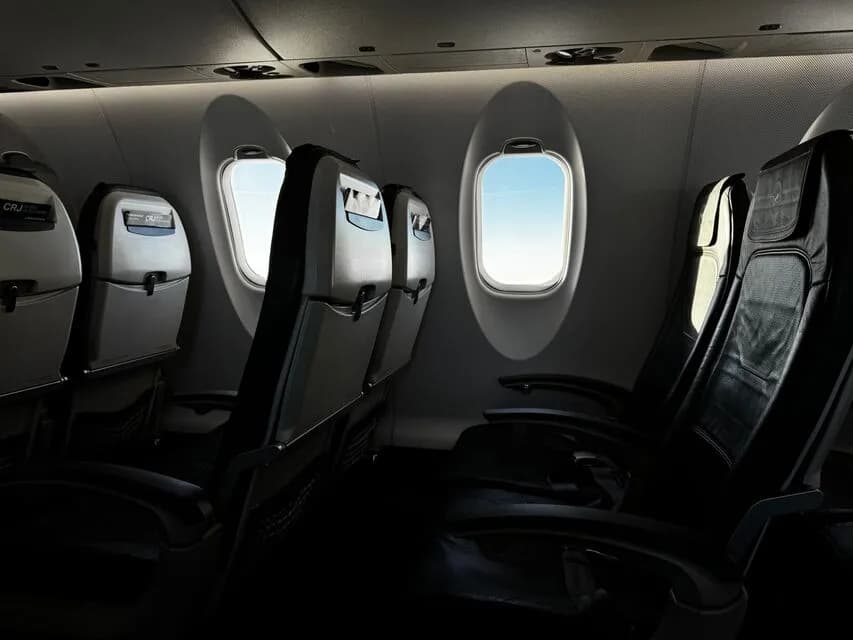
Cabin pressurization is one of the clearest advantages a private jet offers a traveling pet over cargo-hold air travel, but it doesn't guarantee altitude has no effect. Understanding what pressurization does and doesn't change helps set realistic expectations, particularly for older pets, brachycephalic breeds, or animals with existing respiratory or cardiac conditions.
- What cabin pressurization actually does at altitude
- Which pets are more sensitive to pressure and altitude changes
- Questions to ask a veterinarian before a flight
- What to watch for during the flight itself
What Cabin Pressurization Does
Most private jet cabins are pressurized to an equivalent altitude of roughly 6,000 to 8,000 feet, even while cruising far higher — similar to the cabin environment on a commercial flight, and dramatically more controlled than an unpressurized cargo hold. This keeps oxygen levels and pressure changes within a range most healthy pets tolerate without difficulty, unlike the temperature and pressure swings that make cargo-hold travel genuinely risky for some animals.
The cabin is not sea level, though. The moderate pressure change during climb and descent is generally well tolerated by healthy animals but can still be noticeable to a pet with an existing condition, similar to how some humans feel ear pressure or mild fatigue at altitude.
Pets More Sensitive to Pressure and Altitude
- Brachycephalic (flat-faced) breeds, such as bulldogs and Persian cats, whose airway structure already limits airflow
- Senior pets with reduced cardiovascular or respiratory reserve
- Pets with diagnosed heart conditions or a history of respiratory issues
- Pets recovering from recent surgery or illness
None of these conditions automatically rule out private jet travel — the cabin environment is far gentler than cargo-hold flying — but they do warrant a specific conversation with a veterinarian rather than an assumption that "private jet" means no altitude considerations at all.
Questions to Ask a Veterinarian Before the Flight
Ask whether the pet's specific breed, age, or medical history changes the standard travel advice for a pressurized cabin at cruising altitude. Ask whether any current medication interacts with altitude or reduced humidity, since aircraft cabins are typically drier than ground-level air. For pets with a cardiac or respiratory diagnosis, ask the veterinarian to document any in-flight precautions in writing so you can share them with the flight crew.
These questions extend the broader planning steps in PJReviews.com's guide to why pet owners choose to fly private, which covers the general comfort advantages of cabin travel over commercial cargo transport.
What to Watch for During the Flight
- Unusual panting, lethargy, or labored breathing beyond normal travel stress signs
- Reduced responsiveness compared to the pet's normal baseline behavior
- Signs of dehydration on longer flights, given typical cabin dryness
- Any symptom that would prompt a vet visit on the ground should prompt one after landing too
For international trips, plan altitude and health considerations alongside the broader logistics in PJReviews.com's guide to planning an international private jet trip with a pet.
Explore private jet providers on PJReviews.com, compare provider reviews and see how booking works, and book directly with a provider. For a permanent reference on planning private aviation trips, see The Ultimate Private Jet Guide.
- cabin pressure pets
- pet altitude travel
- brachycephalic pet air travel
- pressurized cabin pets