
Traveling With Pets
Flying With Pets on a Private Jet Requires More Than a Carrier
By PJReviews.com · August 8, 2026
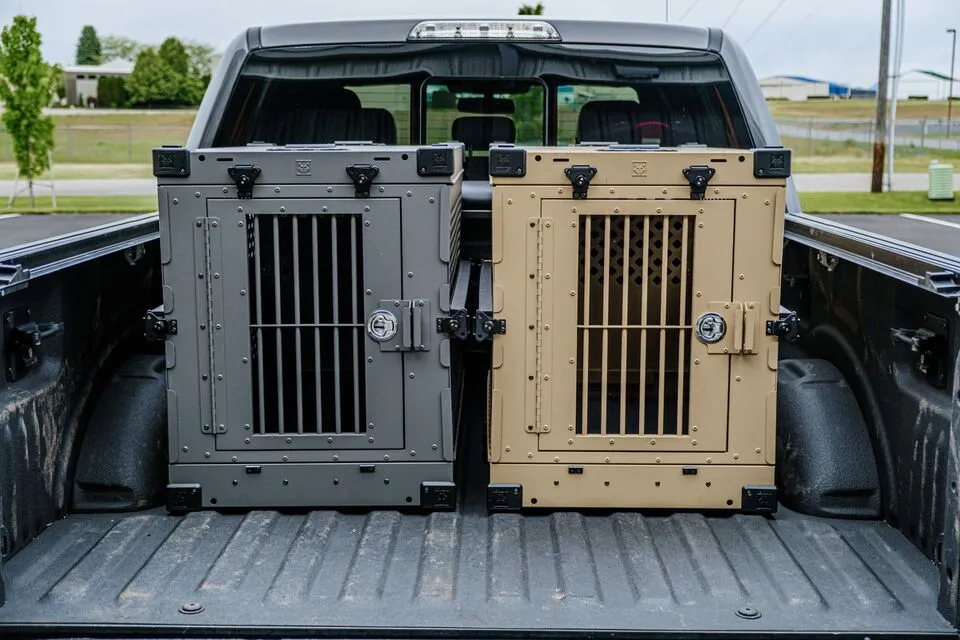
Flying with pets on a private jet can reduce airport transfers and keep an animal close to its family, but the trip still depends on documents, aircraft rules, and destination controls. A carrier, vaccination record, and veterinary plan do not cover every route. Private jet providers also differ in cabin policies, paperwork support, and the time they need to confirm an itinerary.
The safest preparation starts several weeks before departure. The animal's species, breed, size, health, route, aircraft, and border crossings all affect the plan. Domestic travel can require a different file than an international trip, and a return journey can create new requirements even when the outbound flight was straightforward. A calm cabin begins with accurate information, a compliant carrier, and a provider that answers operational questions before payment.
- Destination entry rules confirmed before booking
- Veterinary records matched to the route
- Carrier dimensions approved for the aircraft
- Pet cabin and movement rules confirmed in writing
- Food, water, medication, and cleaning supplies packed
- Return-trip requirements checked separately
Documents and Destination Rules
Pet travel documents depend on the destination, the animal, and the route. A provider may ask for vaccination records, a health certificate, microchip information, import permits, or proof of treatments. The exact combination can change by country and by the animal's travel history, so a general checklist cannot replace a route-specific review.
International travelers should identify the destination authority that controls animal entry and ask how far in advance each document must be issued. Some certificates have short validity windows. Some destinations require an accredited veterinarian, laboratory testing, a government endorsement, or a waiting period. A private flight may shorten the airport process, but it does not erase border or animal-health rules.
For cabin travel, the IATA pet-travel guidance emphasizes country-specific rules, operator procedures, compliant containers, and confirmation before departure. The same page notes that cabin travel is not available for every animal or itinerary. The provider and the relevant destination authority should confirm current requirements because rules can change.
Cabin Preparation for the Animal
A carrier should allow the animal to turn around, stand, sit, and lie in a natural position. It should be familiar before travel, stable on the cabin floor, and easy for the crew to inspect without creating a loose-object problem. A carrier chosen for a commercial airline may not be the right size or shape for a particular private aircraft seat, cabin layout, or safety procedure.
Introduce the carrier gradually instead of making the first enclosure experience happen at the airport. Short practice periods at home can reveal whether the animal scratches, refuses water, or becomes distressed in a confined space. The travel kit should include absorbent pads, waste bags, a familiar blanket, a spare leash or harness, medications in labeled packaging, and a small amount of the animal's usual food.
Food and water timing needs an individual plan. Heavy feeding immediately before departure can create discomfort, while withholding water for too long creates a different risk. A veterinarian can set a schedule based on the animal's age, health, medication, and flight duration. Sedatives should not be added to the itinerary without veterinary advice because they can affect an animal's response to stress, altitude, or changes in cabin conditions.
What the Aircraft and Crew Need to Know
The provider needs the animal's species, number, approximate weight, carrier dimensions, medical considerations, and behavior before the aircraft is assigned. A dog that rests quietly under a seat presents different planning questions from a large dog that needs floor space, movement breaks, or a separate restraint arrangement. Birds, cats, reptiles, and service animals can involve different policies and documentation.
The FAA cabin-pet guidance treats a pet carrier as carry-on baggage for covered airline operations and requires it to remain properly stowed during movement, takeoff, and landing. Private operators may set their own procedures, so the crew's instructions control the flight. A pet may need to stay in its carrier for part or all of the journey, even when the cabin is private.
Ask these questions before the flight is confirmed:
- Is the animal permitted in the cabin for this aircraft and route?
- Where will the carrier remain during taxi, takeoff, landing, and turbulence?
- Can the animal leave the carrier during cruise, and under what conditions?
- Who handles a change to the aircraft or departure airport?
- What cleaning, odor, or damage charges apply if an accident occurs?
- Which crew member receives the pet information before departure?
International Returns and Border Controls
A return flight deserves its own review. A destination may accept an animal on arrival but require a new certificate, treatment, test, or permit for the return to the United States or another country. A multi-country itinerary can create several separate rule sets, especially when the aircraft lands in a third country for fuel, crew, or a planned stay.
Border officials may inspect the animal, identity documents, vaccination evidence, microchip details, and health certificate. An airport change can also affect the available inspection process or the timing of an appointment. The itinerary should leave room for document review, customs processing, and ground movement rather than treating the aircraft's flight time as the full travel time.
Animal health rules also intersect with personal travel plans. A boarding pass, hotel reservation, or charter confirmation does not prove that an animal meets entry rules. The provider can coordinate the flight, but the traveler remains responsible for supplying accurate information and following the destination authority's current instructions.
A Booking Checklist for Private Flyers
Pet travel becomes easier to manage when the booking conversation uses a written checklist. The checklist should follow the animal from the first inquiry through the return flight, with one person responsible for collecting records and another confirming the operational plan. Written answers reduce the chance that a verbal assumption survives after an aircraft or crew change.
Before the itinerary is locked, the following items should be clear:
- Route: Every country, airport, technical stop, and ground transfer is identified.
- Documents: Each certificate, permit, treatment, and endorsement has an owner and deadline.
- Aircraft: The cabin, carrier position, access points, and pet policy are confirmed.
- Health: The veterinarian has reviewed fitness to travel, medication, food, and water timing.
- Costs: Pet handling, cleaning, extra ground transport, customs, and document fees are separated from the flight quote.
- Contingencies: The plan covers an aircraft swap, delay, diversion, missed appointment, or return-date change.
Provider communication should be specific. “Pets are welcome” does not answer whether a carrier fits, whether a large animal can stand in the cabin, or whether the crew can support a border inspection. The useful answer names the aircraft arrangement, the paperwork deadline, the party responsible for each step, and the cost of a change.
Questions Pet Travelers Still Need Answered
Pet-friendly private aviation involves more than a cabin yes or no. These questions address details that often determine whether an itinerary remains workable after the first booking conversation.
Can a pet sit outside its carrier on a private jet?
Some operators permit limited movement during cruise, while others require the animal to remain contained because of turbulence, cabin layout, or crew procedures. The rule belongs to the operator and aircraft assignment. A written confirmation should state when the pet may leave the carrier and what restraint, leash, or floor position applies.
Does a private jet avoid pet travel paperwork?
A private flight can change the terminal process, but it does not remove destination entry rules. Certificates, permits, vaccinations, identification, and inspections may still apply. International requirements should be checked with the destination authority and the provider for each country on the itinerary, including countries visited only for a technical stop.
How should a pet prepare for a longer flight?
Preparation depends on the animal's health and behavior. Carrier practice, a veterinary review, measured food and water, familiar bedding, and a plan for waste management are practical starting points. The veterinarian should address medication and sedation rather than leaving those decisions to the departure day.
Make the Pet Plan Part of the Flight Plan
A private aircraft can reduce terminal changes, but pet travel still has several moving parts. The route, border file, carrier, cabin rule, crew briefing, and ground transfer need to agree before departure. A provider that treats the animal as a last-minute note may leave the traveler solving document or cabin problems after the itinerary is already expensive to change.
PJReviews.com gives private flyers a place to discover private jet providers, read relevant reviews, and compare services before discussing a pet itinerary. The broader traveling with pets guidance belongs in the planning file, while privacy planning can help families prepare the cabin and ground experience. Private aviation professionals are also searchable through this provider search.
- traveling with pets
- private jet
- pet travel
- pet documentation
- cabin preparation
- private aviation